
What Is Solar Energy? A Complete Guide for Florida Homeowners
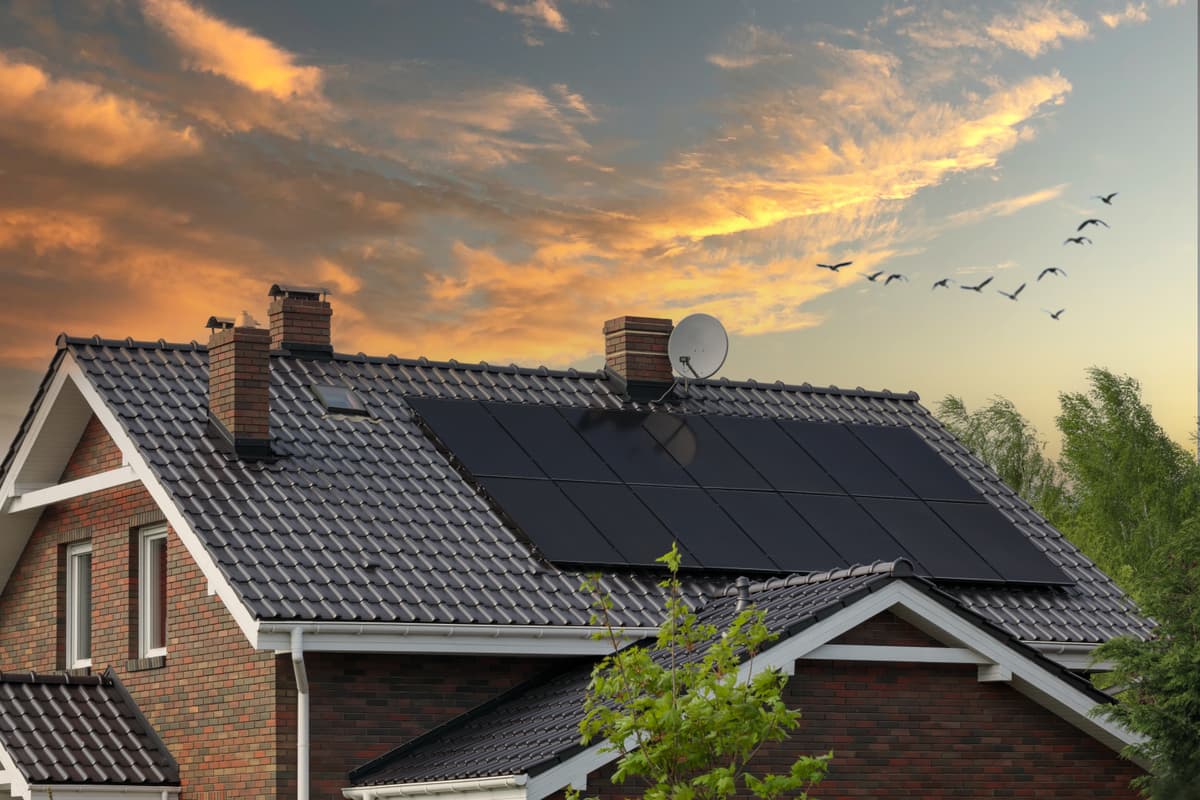
Solar energy is power generated by converting sunlight into electricity using photovoltaic (PV) panels. For Florida homeowners, solar energy offers significant savings thanks to abundant sunshine, a 30% federal tax credit, full net metering, and sales and property tax exemptions — making the Sunshine State one of the best places in the country to go solar.
Key Takeaways
- Solar energy converts sunlight into usable electricity through photovoltaic cells, and Florida's climate makes it one of the top states for solar production in the U.S.
- Florida homeowners can save tens of thousands of dollars over the life of a solar system through reduced utility bills, the 30% federal Investment Tax Credit, sales tax exemptions, and property tax exemptions.
- Net metering with FPL, Duke Energy, and Tampa Electric allows you to earn full retail credits for excess energy your panels send back to the grid.
- Battery storage solutions like Tesla Powerwall provide critical backup power during Florida's hurricane season, keeping your home running when the grid goes down.
- Going solar in Florida has never been more accessible, with $0-down financing options, no state sales tax on equipment, and legal protections that prevent HOAs from blocking your installation.
What Is Solar Energy? A Simple Definition
Solar energy is the radiant light and heat from the sun that humans capture and convert into usable forms of power — most commonly electricity. It is a renewable energy source, meaning it will never run out (at least not for another five billion years or so).
When most people talk about "solar energy" for their homes, they are referring to solar photovoltaic (PV) systems — the panels you see on rooftops that generate electricity directly from sunlight. This is different from solar thermal systems, which use the sun's heat to warm water or air.
Here in Florida, solar energy is not just practical — it is one of the smartest financial decisions a homeowner can make. The state receives an average of 230 to 265 sunny days per year, placing it among the top tier of states for solar electricity production.
Why Is Solar Energy Considered "Clean" Energy?
Solar panels produce electricity without burning fossil fuels, releasing no greenhouse gases or air pollutants during operation. A typical residential solar system in Florida offsets roughly 3 to 4 tons of carbon dioxide annually — the equivalent of planting about 100 trees every single year.
How Do Solar Panels Work?
Understanding how solar panels turn sunlight into the electricity that powers your home is simpler than you might think. Here is the process, step by step:
1. Sunlight Hits the Solar Panels
Solar panels are made up of dozens of photovoltaic cells, typically constructed from silicon. When photons (particles of light) strike these cells, they knock electrons loose from their atoms. This movement of electrons creates a flow of direct current (DC) electricity.
2. The Inverter Converts DC to AC
Your home runs on alternating current (AC) electricity, so the DC power from your panels needs to be converted. An inverter — either a central string inverter or microinverters attached to each panel — handles this conversion in real time.
3. Your Home Uses the Electricity
The AC electricity flows into your home's electrical panel and powers everything: your air conditioning, refrigerator, lights, EV charger, pool pump — all of it. Your home uses the solar electricity first before pulling from the grid.
4. Excess Energy Goes to the Grid
When your panels produce more electricity than your home needs (common during midday in Florida), the surplus flows back to the utility grid. Through net metering, your utility company — whether FPL, Duke Energy, or Tampa Electric — credits your account at the full retail rate for that excess energy.
5. You Pull from the Grid at Night
Solar panels need sunlight to produce electricity, so at night your home draws power from the grid as usual. But those net metering credits you built up during the day offset the cost, often dramatically reducing or even eliminating your electric bill.
What About Battery Storage?
Adding a battery storage system like the Tesla Powerwall, Enphase IQ Battery, or Franklin WholHome changes the equation. Instead of sending all your excess energy to the grid, batteries store it for use during the evening, during peak rate hours, or — critically for Florida homeowners — during power outages caused by hurricanes and tropical storms.
At RIV Solar, we install and integrate all three major battery platforms and help homeowners decide whether storage makes sense for their specific situation. For many Florida families, the peace of mind alone is worth the investment.
Benefits of Solar Energy for Florida Homeowners
Florida is not called the Sunshine State for nothing. Here is why solar energy is particularly advantageous for homeowners here:
Dramatically Lower Electric Bills
The average Florida homeowner pays approximately $160 to $200 per month in electricity costs, and that number has been climbing steadily. A properly sized solar system can reduce your electric bill by 80% to 100%, saving you $40,000 to $80,000 or more over the 25+ year lifespan of the system.
Protection Against Rising Utility Rates
Florida utility rates have increased an average of 3% to 5% per year over the past decade. When you generate your own electricity, you lock in your energy costs and insulate yourself from future rate hikes. The longer you own your system, the greater the savings compared to what you would have paid the utility.
Increased Home Value
Studies from the Lawrence Berkeley National Laboratory show that homes with solar panels sell for an average of $15,000 to $25,000 more than comparable homes without solar. And in Florida, thanks to the 100% property tax exemption on solar, your property taxes will not increase by a single dollar despite the added value.
Hurricane Resilience with Battery Backup
Florida's hurricane season runs from June through November. When storms knock out the grid — sometimes for days or even weeks — a solar-plus-battery system keeps your essential loads running. Your refrigerator stays cold, your medical devices stay powered, and your family stays comfortable.
Environmental Impact
A typical 8 kW residential system in Florida generates approximately 12,000 to 14,000 kWh of clean electricity per year. That is enough to offset the carbon emissions from driving roughly 25,000 miles annually. Going solar is one of the single most impactful environmental choices a homeowner can make.
How Much Do Solar Panels Cost in Florida?
Let's talk numbers — because at the end of the day, the decision to go solar should always be driven by the math.
Average System Cost
The average residential solar installation in Florida costs between $22,000 and $35,000 before incentives, depending on system size, panel brand, and whether you include battery storage. For a typical 8 kW system, you are looking at roughly $24,000 to $28,000 before the federal tax credit.
After Incentives
Once you apply the 30% federal Investment Tax Credit (ITC) and account for Florida's sales tax exemption (which saves approximately $1,800 on a $30,000 system), the net cost drops significantly:
| Cost Component | Amount |
|---|---|
| Average 8 kW System (before incentives) | $26,000 |
| Federal ITC (30%) | -$7,800 |
| FL Sales Tax Exemption (saved) | ~$1,800 |
| Effective Net Cost | ~$18,200 |
Payback Period
Most Florida homeowners see a payback period of 7 to 10 years, after which the electricity your system generates is essentially free for the remaining 15 to 18+ years of the system's warranted life.
$0-Down Financing
You do not need to pay the full cost upfront. Solar loans with $0 down are widely available, and in many cases your monthly loan payment is less than what you were paying the utility company. That means you can start saving from month one.
At RIV Solar, we use an AI-powered savings calculator with 98% accuracy to model your specific roof, energy usage, and financial scenario — so you know exactly what to expect before you commit to anything.
Florida Solar Incentives and Tax Credits
One of the biggest advantages of going solar in Florida is the stack of financial incentives available. Here is a complete breakdown:
30% Federal Investment Tax Credit (ITC)
The federal government offers a dollar-for-dollar tax credit equal to 30% of your total solar installation cost, including battery storage if installed with the system. This is not a deduction — it directly reduces the amount of federal income tax you owe.
For a $26,000 system, that is a $7,800 credit. If you do not owe that much in taxes in the first year, the remaining credit rolls forward to subsequent tax years.
Florida Sales Tax Exemption
Solar energy equipment is 100% exempt from Florida's 6% state sales tax. On a $30,000 system, that saves you roughly $1,800 that you would have paid on any other major purchase.
100% Property Tax Exemption
Florida law ensures that the added value solar panels bring to your home is completely exempt from property taxes. Your home's market value goes up, but your tax bill does not. This is a significant benefit that not every state offers.
Full Retail Net Metering
Florida's major utilities — FPL, Duke Energy, and Tampa Electric — offer net metering at the full retail electricity rate. Every kilowatt-hour your panels send to the grid earns you a credit at the same price you would pay to buy that electricity. This policy is a cornerstone of solar economics in the state.
PACE Financing and SELF Loans
Florida offers Property Assessed Clean Energy (PACE) financing, which allows you to finance solar through your property tax bill with no upfront cost. Some municipalities also offer Solar and Energy Loan Fund (SELF) loans with favorable terms for qualifying homeowners.
What Florida Does NOT Offer
It is important to be transparent: Florida does not currently offer state-level cash rebates or performance-based incentives for residential solar. However, the combination of the federal ITC, tax exemptions, and net metering makes the economics compelling even without additional state rebates.
Florida's Solar Rights Act: Your HOA Cannot Block Solar
If you live in a community with a homeowners association, you may be wondering whether your HOA can prevent you from installing solar panels. The answer is no.
Florida's Solar Rights Act (Section 163.04, Florida Statutes) prohibits any entity — including HOAs, condo associations, and local governments — from adopting rules or ordinances that prevent the installation of solar panels. Your HOA may request reasonable aesthetic accommodations, but they cannot deny your right to go solar.
This legal protection gives Florida homeowners the confidence to move forward with solar regardless of where they live.
Getting Started with Solar in Florida
If you are considering solar for your Florida home, here is what a typical process looks like:
Step 1: Get a Personalized Solar Assessment
The first step is understanding whether solar makes financial sense for your specific home. Factors that matter include your roof's orientation and condition, your monthly electricity usage, your utility company, and any shading from trees or nearby structures.
RIV Solar offers a free, no-obligation solar assessment that uses satellite imagery and your actual utility data to model your savings with 98% accuracy. No guesswork, no inflated promises — just real numbers.
Step 2: Review Your Custom Proposal
Based on your assessment, you will receive a detailed proposal that includes system size, projected energy production, estimated savings over 25 years, financing options, and a clear timeline.
We believe solar is not for everyone — and we will tell you honestly if the numbers do not work for your situation. We let the data speak for itself.
Step 3: Design, Permitting, and Installation
Once you approve your proposal, our in-house installation crews (we never use subcontractors) handle everything: engineering design, permitting, utility interconnection paperwork, and the physical installation. Most residential installs are completed in one to two days on the roof.
Step 4: Inspection and Activation
After installation, your local building department inspects the system, and your utility company approves the interconnection. Once your meter is activated for net metering, your panels start generating savings immediately.
A Note on Language Support
At RIV Solar, we provide full bilingual support in English and Spanish throughout every step of the process — from your first consultation through installation and beyond. Everyone deserves to understand exactly what they are signing up for, in the language they are most comfortable with.
Frequently Asked Questions
Is Florida a good state for solar energy?
Yes, Florida is one of the best states in the country for solar energy. The state averages 230 to 265 sunny days per year, and homeowners benefit from a 30% federal tax credit, full retail net metering, sales tax exemption on solar equipment, and 100% property tax exemption on solar value. These incentives, combined with high electricity costs, create strong economics for residential solar.
How much can I save with solar panels in Florida?
Most Florida homeowners save between $40,000 and $80,000 over the 25-year lifespan of their solar system. Exact savings depend on your system size, electricity usage, utility rate, and financing method. With $0-down financing options available, many homeowners see immediate monthly savings from day one.
Do solar panels work during hurricanes or cloudy days?
Solar panels continue to produce electricity on cloudy days, though at reduced output (typically 10% to 25% of full capacity). During a hurricane, panels are designed to withstand winds up to 140 mph or more depending on the mounting system. However, for backup power during outages, a battery storage system like the Tesla Powerwall is essential since grid-tied solar systems shut off during outages for safety reasons.
Can my HOA prevent me from installing solar panels in Florida?
No. Florida's Solar Rights Act (Section 163.04, Florida Statutes) explicitly prohibits HOAs, condo associations, and local governments from preventing the installation of solar energy devices. Your HOA may establish reasonable aesthetic guidelines, but they cannot deny your right to install solar panels on your property.
How long does it take to install solar panels on a Florida home?
The physical roof installation typically takes one to two days for a standard residential system. However, the full process from signed contract to system activation — including design, permitting, installation, inspection, and utility interconnection — generally takes four to eight weeks. Working with an experienced installer like RIV Solar, which handles everything in-house, can help keep this timeline on track.
The Bottom Line
Solar energy is straightforward: panels on your roof convert sunlight into electricity, reducing or eliminating your dependence on the utility company. In Florida, the combination of abundant sunshine, strong financial incentives, and favorable net metering policies makes going solar one of the smartest investments a homeowner can make.
But we also believe in honesty — solar is not the right fit for every home or every situation. The only way to know for sure is to look at your specific numbers.
If you are a Florida homeowner curious about whether solar makes sense for you, request your free personalized savings estimate from RIV Solar. Our team will walk you through the real data — in English or Spanish — with zero pressure and zero obligation. We let the numbers do the talking.
RIV Solar | Residential Solar Installation & Battery Storage | rivsolar.com | 25-Year Warranty | In-House Crews | Bilingual Support