
How to Prepare Your Florida Home for Solar Installation
Preparing your Florida home for solar installation involves assessing your roof's age and condition, trimming trees that cast shade, confirming your electrical panel can handle solar input, pulling county-specific permits, and notifying your HOA. Completing these steps before your install date helps avoid delays and ensures a smooth, code-compliant project.
Key Takeaways
- Your roof must be structurally sound and have at least 10-15 years of life remaining before solar panels go on — replacing an aging roof first saves thousands compared to removing and reinstalling panels later.
- Florida building codes require hurricane-rated mounting systems for all solar installations, which means your installer must use engineered racking designed to withstand 160+ mph winds.
- Tree trimming and shade reduction directly impact your system's energy output — even partial shading during peak sun hours (9 AM to 3 PM) can reduce production by 20% or more.
- Electrical panel upgrades from 100 amps to 200 amps are common in older Florida homes and may be necessary to safely integrate a solar energy system.
- Florida's Solar Rights Act protects your right to install solar panels, preventing HOAs from blocking installations — though you should still notify your association and provide your plans in advance.
Why Preparation Matters Before Going Solar in Florida
Switching to solar energy is one of the smartest financial moves a Florida homeowner can make. Between the 30% federal tax credit, rising utility rates from FPL and Duke Energy, and the state's abundant sunshine, the economics are hard to argue with.
But jumping straight to installation without proper preparation can lead to costly surprises — a roof that needs replacement mid-project, shade problems that tank your energy production, or permit delays that push your timeline back by weeks.
The good news is that preparing your home for solar installation in Florida is straightforward when you know what to address. This guide walks you through every step, from roof assessment to installation day, so you can go solar with confidence and zero headaches.
Roof Assessment: The Foundation of Every Solar Project
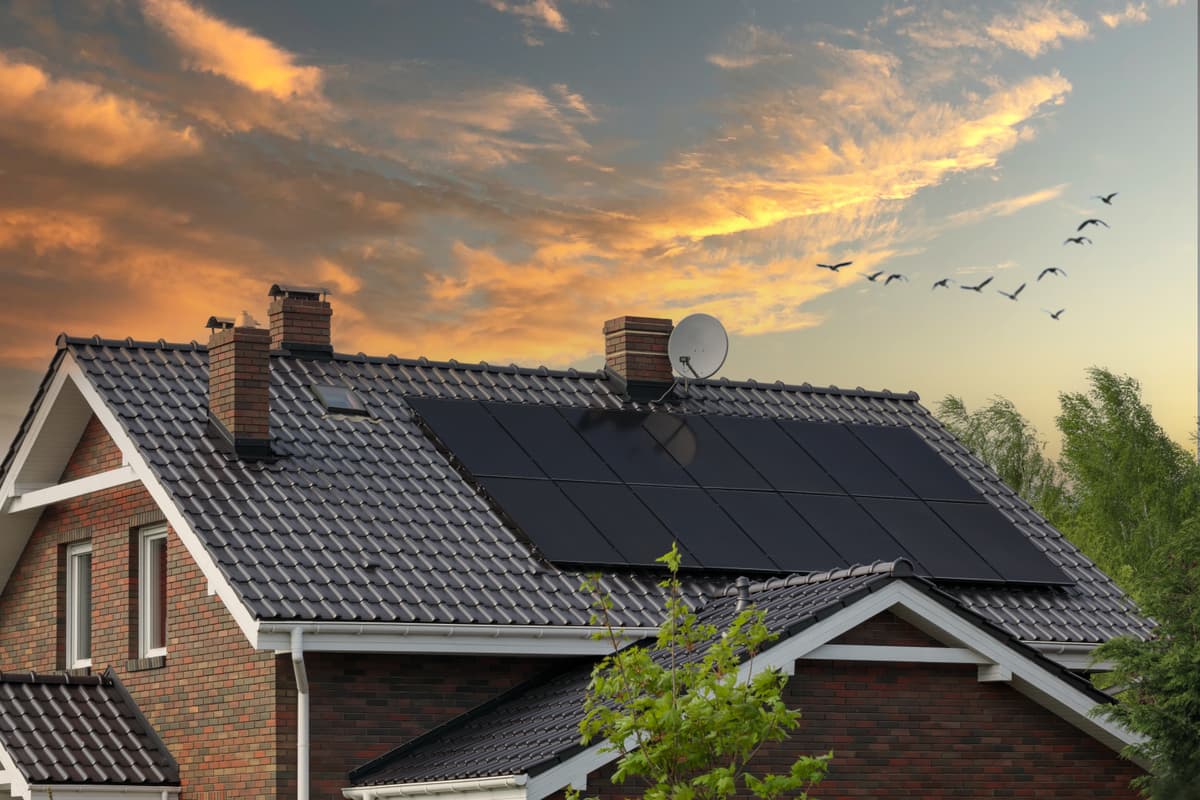
Your roof is the platform your entire solar system depends on. Before a single panel goes up, it needs to be evaluated for structural integrity, remaining lifespan, material compatibility, and available surface area.
Why Your Roof Is the Starting Point
Solar panels are designed to produce electricity for 25 to 30 years. If your roof cannot match or exceed that timeline, you are setting yourself up for an expensive problem down the road. Removing solar panels, replacing the roof, and reinstalling the panels can cost $5,000 to $10,000 or more — money that could have been avoided with a proper upfront assessment.
At RIV Solar, every project begins with a detailed roof evaluation during the site survey. Our team inspects the roof in person and uses satellite imagery to assess orientation, pitch, and usable square footage before designing your system.
Roof Age and Condition: What Qualifies for Solar
Not every roof is ready for solar panels, but most Florida roofs can be prepared with the right approach. Here is what to consider.
How Old Is Your Roof?
As a general rule, your roof should have at least 10 to 15 years of functional life remaining before solar panels are installed. If your roof is approaching or past the 15-year mark for asphalt shingles, or the 20- to 25-year mark for tile, it is worth getting a professional roof inspection before moving forward.
Roof Material Compatibility in Florida
Florida homes feature a wide range of roofing materials, each with its own considerations for solar installation:
- Asphalt shingles — The most common and easiest material for solar mounting. Standard roof attachments work well, and installation is straightforward.
- Concrete or clay tile — Very common in Florida. Solar can absolutely be installed on tile roofs, but it requires specialized tile hooks and careful handling to avoid cracking tiles during the process. Experienced installers like RIV Solar's in-house crews know how to navigate tile roofs without damage.
- Metal roofing — Excellent for solar. Standing seam metal roofs allow for clamp-on mounting systems that require zero roof penetrations. Screw-down metal panels use standard attachments similar to shingle roofs.
- Flat roofs — Common on some Florida homes and frequently used for commercial buildings. Solar panels are mounted on tilted racking systems to achieve the optimal angle for energy production.
Roof Condition Red Flags
Before solar installation, watch for these warning signs that suggest your roof may need repairs or replacement first:
- Missing, cracked, or curling shingles
- Visible leaks or water stains on interior ceilings
- Sagging or uneven roof sections
- Damaged or deteriorating flashing around vents and chimneys
- Moss, algae, or dark streaks indicating moisture retention
If any of these issues are present, address them before your solar project begins. It is always more cost-effective to handle roof work first.
Tree Trimming and Shade Management
Shade is the enemy of solar energy production. Even a small amount of shading on your panels during peak sun hours can have an outsized impact on your system's output.
How Shade Affects Solar Panel Performance
Modern solar panels with microinverters or power optimizers handle shade better than older string inverter systems, but the physics remain the same — shaded cells produce less electricity. Studies show that even partial shading on 10% to 15% of a panel's surface can reduce that panel's output by 30% to 50% depending on the technology used.
For Florida homeowners, the critical window is 9 AM to 3 PM, when the sun is at its highest and your panels produce the most energy. Any trees, branches, or structures casting shadows on your roof during those hours are reducing your return on investment.
What to Trim and When
During your site survey, your solar installer will perform a shade analysis — often using tools like a Solar Pathfinder or satellite-based modeling — to identify exactly which trees or branches need attention.
Common recommendations include:
- Removing overhanging branches that cast direct shade on the planned panel area
- Topping or thinning tall trees on the south or west side of your home
- Removing small ornamental trees that have grown into the panel zone over the years
In most Florida counties, you can trim trees on your own property without a permit unless the tree is a protected species (such as a live oak in certain jurisdictions). Check with your local municipality before removing any large trees.
Timing Matters
Schedule tree trimming at least two to four weeks before your planned installation date. This gives the crew clear roof access and allows your installer to confirm the shade analysis results before finalizing your system design.
Electrical Panel Readiness
Your home's electrical panel is the central hub where solar energy feeds into your household circuits. If it is outdated or undersized, it may need an upgrade before solar can be safely connected.
When Is an Electrical Panel Upgrade Necessary?
Many older Florida homes — particularly those built before the 1990s — have 100-amp electrical panels. Modern solar installations typically require a 200-amp panel to safely accommodate the additional energy input from your solar array.
Signs your panel may need an upgrade:
- Your panel is rated at 100 amps or less
- The panel has a Federal Pacific or Zinsco brand label (known safety concerns)
- You have limited open breaker slots
- You are planning to add battery storage, an EV charger, or a pool heat pump alongside solar
What Does the Upgrade Involve?
An electrical panel upgrade typically involves replacing the existing panel box, installing new breakers, and updating the connection to the utility meter. In Florida, this work requires a licensed electrician and a separate permit from your local building department.
The cost for a panel upgrade ranges from $1,500 to $3,000 depending on the scope of work. At RIV Solar, if a panel upgrade is needed, we identify it during the site assessment and include it in your project plan so there are no surprise costs.
Main Panel vs. Sub-Panel
In some cases, your installer may recommend adding a dedicated sub-panel for your solar system rather than upgrading the entire main panel. This can be a cost-effective solution when your main panel is in good condition but lacks sufficient capacity for solar interconnection.
Understanding Florida Permits for Solar Installation
Every solar installation in Florida requires permits from your local building department. The permitting process ensures your system meets Florida Building Code requirements, including the critical hurricane-resistance standards that protect your home and your investment.
What Permits Are Required?
At minimum, a residential solar installation in Florida requires:
- Building permit — Covers the structural attachment of panels and racking to your roof
- Electrical permit — Covers the wiring, inverter installation, and connection to your electrical panel
- Utility interconnection agreement — Required by your utility (FPL, Duke Energy, Tampa Electric, or JEA) to connect your system to the grid and activate net metering
Some counties combine the building and electrical permits into a single solar permit. Others require separate applications.
Florida Building Code and Hurricane Requirements
Florida has some of the strictest building codes in the country, and for good reason. All solar panel mounting systems installed in Florida must be:
- Engineered for the specific wind zone of your property (wind speeds of 130 to 180 mph depending on location)
- Attached using approved hardware with proper flashing and sealant to maintain roof waterproofing
- Designed by a licensed professional engineer (PE) and submitted with stamped engineering drawings as part of the permit application
This is non-negotiable. Any installer who skips the engineering step or uses non-rated mounting hardware is putting your home at risk and violating Florida law.
Permit Timelines by County
Permitting timelines vary across Florida:
| Region | Typical Timeline |
|---|---|
| Miami-Dade County | 2 to 4 weeks (stricter requirements) |
| Broward County | 1 to 3 weeks |
| Palm Beach County | 1 to 2 weeks |
| Hillsborough / Pinellas County | 1 to 2 weeks |
| Orange / Osceola County | 1 to 2 weeks |
| Duval County (Jacksonville) | 1 to 2 weeks |
Some municipalities have adopted expedited solar permitting programs that allow same-day or next-day approvals for standard residential systems.
Who Handles the Permits?
At RIV Solar, we handle 100% of the permitting process on your behalf. Our team prepares the engineering documents, submits the applications, pays the permit fees, and schedules all required inspections. You do not need to visit the building department or manage any paperwork.
HOA Notification and Florida's Solar Rights Act
If you live in a community with a homeowners association, you may be wondering whether your HOA can block your solar installation. The short answer: they cannot.
What the Law Says
Florida Statute Section 163.04, commonly known as the Solar Rights Act, explicitly prohibits any covenant, deed restriction, or HOA rule from preventing a property owner from installing solar panels or other solar energy devices on their property.
This means your HOA:
- Cannot deny your solar installation request
- Cannot require you to get prior approval as a condition of installation (though notification is courteous and recommended)
- Cannot impose conditions that unreasonably increase the cost or decrease the efficiency of the system
Best Practices for HOA Communication
While the law is firmly on your side, maintaining a positive relationship with your HOA makes the process smoother. Here is what we recommend:
- Notify your HOA in writing at least 30 days before your planned installation date
- Include your system design showing panel placement, dimensions, and mounting details
- Reference Florida Statute 163.04 in your notification letter so the board understands the legal framework
- Keep copies of all correspondence for your records
In our experience at RIV Solar, most Florida HOAs are familiar with the Solar Rights Act and process solar notifications without issue. For the rare cases where pushback occurs, the law provides clear protections for homeowners.
What to Expect on Installation Day
Once your roof is ready, trees are trimmed, your electrical panel is up to spec, permits are approved, and your HOA has been notified, it is time for the actual installation. Here is what a typical installation day looks like with RIV Solar.
Before the Crew Arrives
- Clear the driveway and garage area so the crew has space to stage equipment and materials
- Ensure access to your electrical panel — move any furniture or storage items that block it
- Secure pets indoors for their safety and the crew's
- Let your neighbors know — there will be some noise from drilling and power tools
During Installation
A standard residential solar installation in Florida takes one to two days depending on system size and roof complexity. Here is the general sequence:
- Racking and mounting — The crew installs the rail system on your roof using hurricane-rated attachments
- Panel placement — Solar panels are secured to the racking system
- Wiring — Electrical connections run from the panels to the inverter and then to your electrical panel
- Inverter installation — The inverter (string inverter or microinverters) is mounted and connected
- System testing — The crew tests all connections and verifies the system is producing power correctly
After Installation
Your system is installed, but it is not activated yet. Two more steps remain:
- Building department inspection — A local inspector verifies the installation meets code and matches the approved permit plans
- Utility interconnection and PTO (Permission to Operate) — Your utility reviews the installation, installs a bi-directional meter if needed, and grants permission to operate. This process takes one to four weeks depending on the utility.
Once PTO is granted, your system goes live and you start generating your own clean electricity — and savings.
Pre-Installation Checklist: Your Complete Action Plan
Use this checklist to make sure your home is fully prepared before your solar installation date:
- Roof inspection completed — Confirm your roof has 10+ years of life remaining and no structural issues
- Roof repairs addressed — Fix any leaks, damaged shingles, cracked tiles, or flashing problems
- Trees trimmed — Remove branches and foliage that shade your roof between 9 AM and 3 PM
- Electrical panel evaluated — Confirm your panel is 200 amps; schedule an upgrade if needed
- HOA notified in writing — Send notification with system design and reference to FL Statute 163.04
- Permits submitted — Confirm your installer has pulled all required building and electrical permits
- Installation day prep — Clear driveway, ensure panel access, secure pets, notify neighbors
- Utility interconnection application submitted — Confirm your installer has filed the interconnection agreement with FPL, Duke Energy, or your local utility
If you are working with RIV Solar, our team manages the permits, engineering, utility paperwork, and inspections. Your main responsibilities are the roof, trees, and HOA notification — and we guide you through every step.
Ready to Prepare Your Florida Home for Solar?
Going solar in Florida is one of the best investments you can make as a homeowner. With $0-down financing options, a 25-year warranty, and in-house bilingual crews who know Florida's building codes inside and out, RIV Solar makes the process as simple and transparent as possible.
If you are ready to get started — or just want to understand what your home needs before installation — contact RIV Solar for a free site assessment. We will evaluate your roof, electrical panel, shade exposure, and permitting requirements at no cost and with no obligation.
Frequently Asked Questions
Do I need a new roof before installing solar panels in Florida?
Not necessarily. If your roof is in good condition and has at least 10 to 15 years of life remaining, solar panels can typically be installed without a roof replacement. However, if your roof is nearing the end of its lifespan, it is more cost-effective to replace it before installation rather than paying to remove and reinstall panels later. A qualified solar installer like RIV Solar will assess your roof condition during the site survey.
Will my HOA block my solar panel installation in Florida?
Florida's Solar Rights Act (Section 163.04, Florida Statutes) prohibits HOAs from banning solar panels outright. Your HOA may have guidelines regarding placement and aesthetics, but they cannot prevent you from installing solar energy devices on your property. You should notify your HOA before installation begins and provide your installation plans to ensure a smooth process.
How long does the solar permitting process take in Florida?
Solar permitting timelines in Florida vary by county but typically range from one to four weeks. Some counties, particularly in Central and North Florida, offer expedited or same-day solar permits for standard residential systems. Your solar installer usually handles the entire permitting process on your behalf, including submitting engineering plans, pulling permits, and scheduling inspections.
Do I need to upgrade my electrical panel for solar?
It depends on your current panel's capacity and age. Homes with older 100-amp panels often need an upgrade to a 200-amp panel to safely accommodate solar energy production. During the site assessment, your installer will evaluate your electrical panel and let you know if an upgrade is necessary. The cost typically ranges from $1,500 to $3,000.
How much tree trimming is needed before solar installation?
The amount of tree trimming depends on how much shade falls on your roof during peak sun hours, typically 9 AM to 3 PM. Even partial shading can significantly reduce solar panel output by 30% or more. A solar site survey will use shade analysis tools to identify exactly which branches or trees need trimming to maximize your system's energy production.