
What Is a Solar PPA and Is It a Good Deal?
The short answer: A Power Purchase Agreement (PPA) lets you pay for solar electricity at a fixed rate per kWh—usually lower than utility rates—without owning the system. While PPAs offer $0 down and lower immediate bills, you miss out on the 30% tax credit, don't build equity, and typically save 50-70% less over 25 years compared to buying. Here's the full breakdown to help you decide.
How a Solar PPA Works
The Concept:
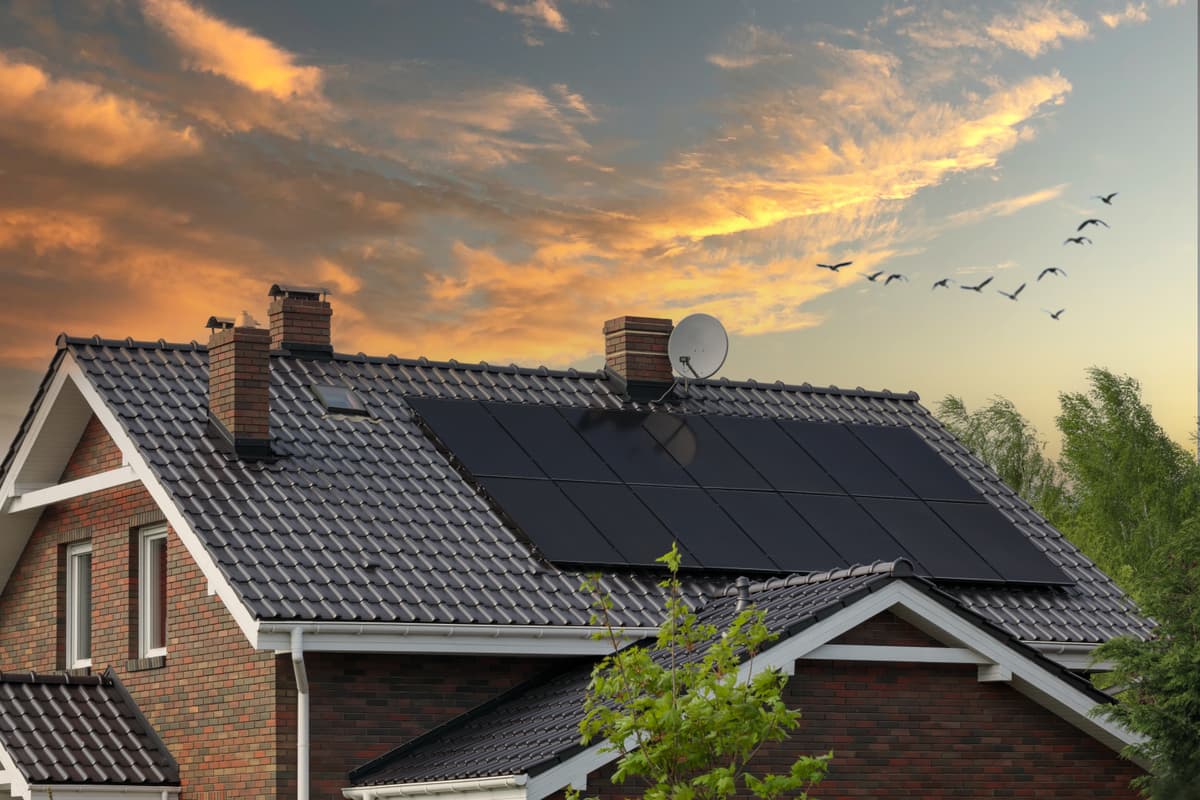
A solar company installs panels on your roof at no upfront cost. They own the system. You buy the electricity it produces at a fixed rate per kWh.
The Structure:
- Installation: Company installs solar panels on your roof (free to you)
- Ownership: The company owns the equipment
- Your payment: You pay for electricity the system generates (e.g., 18¢/kWh)
- Their benefit: They claim the tax credit and collect payments from you
- Term: Typically 20-25 years
Example:
- System produces: 900 kWh/month
- PPA rate: 18¢/kWh
- Your PPA payment: $162/month
- Previous utility bill: $340/month
- Monthly savings: $178
PPA vs. Utility Rates
The appeal of a PPA is paying less than utility rates:
| Source | Rate per kWh | Monthly Cost (900 kWh) |
|---|---|---|
| SDG&E | 55¢ | $495 |
| PG&E | 45¢ | $405 |
| SCE | 42¢ | $378 |
| Typical PPA | 15-22¢ | $135-198 |
Immediate savings are real. But let's look deeper.
The Full Financial Picture
Comparing PPA to Buying Over 25 Years
Scenario: Home using 10,000 kWh/year, current bill $350/month
Option A: Purchase Solar (with loan)
| Category | Amount |
|---|---|
| System cost | $29,000 |
| 30% tax credit | -$8,700 |
| Net cost | $20,300 |
| Monthly payment (25-yr, 6.5%) | $138 |
| Monthly savings | $212 |
| Total paid over 25 years | $41,400 |
| System value retained | $8,000-12,000 |
| Net 25-year cost | ~$30,000 |
Option B: PPA (18¢/kWh, 2.9% escalator)
| Year | Rate/kWh | Monthly Payment |
|---|---|---|
| 1 | 18¢ | $150 |
| 5 | 21¢ | $174 |
| 10 | 24¢ | $202 |
| 15 | 28¢ | $234 |
| 20 | 32¢ | $271 |
| 25 | 37¢ | $314 |
| Category | Amount |
|---|---|
| Total paid over 25 years | ~$66,000 |
| System ownership | None |
| Net 25-year cost | ~$66,000 |
The Comparison:
| Metric | Purchase | PPA |
|---|---|---|
| 25-year total cost | ~$30,000 | ~$66,000 |
| Own the system | Yes | No |
| Home value increase | Yes | No |
| Tax credit benefit | Yes | No |
Purchasing saves ~$36,000 over 25 years compared to a PPA with escalators.
PPA Escalators: The Hidden Cost
Most PPAs include annual rate escalators—your per-kWh rate increases each year.
Common Escalator Rates:
- 0%: Rare, but ideal
- 1-2%: Below inflation, reasonable
- 2.9%: Industry standard, adds up fast
- 3.5%+: Aggressive, avoid if possible
What Escalators Do Over Time:
| Starting Rate | Escalator | Year 10 Rate | Year 25 Rate |
|---|---|---|---|
| 18¢ | 0% | 18¢ | 18¢ |
| 18¢ | 2% | 22¢ | 29¢ |
| 18¢ | 2.9% | 24¢ | 37¢ |
| 18¢ | 3.5% | 25¢ | 45¢ |
With a 2.9% escalator, your 18¢ rate becomes 37¢ by year 25—potentially higher than future utility rates.
Critical warning: Utility rates rise, but so do your PPA rates. The gap narrows or reverses over time.
PPA Pros and Cons
Advantages:
1. $0 Down No upfront investment required.
2. Immediate Savings Day one, you pay less than utility rates.
3. No Maintenance Responsibility The PPA company maintains the system.
4. Performance Guarantees Many PPAs guarantee minimum production.
5. Simple Decision No system sizing, equipment choices, or financing to figure out.
Disadvantages:
1. No Tax Credit The 30% ITC goes to the system owner (the PPA company), not you. That's $7,000-12,000 you don't get.
2. No Ownership After 25 years of payments, you own nothing.
3. Escalators Erode Savings Your rate increases annually while your benefit shrinks.
4. Lower Total Savings 50-70% less savings over 25 years compared to buying.
5. Home Sale Complications Buyers must assume the PPA or you must buy it out.
6. Long Contract Lock-In 20-25 year commitment with limited exit options.
7. No Home Value Increase Studies show owned solar adds value; PPA impact is unclear or negative.
When a PPA Makes Sense
PPAs aren't always bad. They're appropriate when:
1. You Can't Use the Tax Credit
If you have low or no federal tax liability (retired, low income, etc.), you can't benefit from the 30% credit anyway.
2. You Can't Qualify for Financing
If credit issues prevent loans, a PPA may be your only $0-down option.
3. You Want Zero Involvement
If you truly want no responsibility for equipment and don't care about maximizing savings.
4. Short-Term Outlook
If you're selling in 5-7 years and just want lower bills now (though this complicates the sale).
5. Non-Profit Organizations
Non-profits can't use tax credits, making PPAs competitive.
PPA vs. Lease: What's the Difference?
Both involve third-party ownership, but payment structure differs:
| Feature | PPA | Lease |
|---|---|---|
| Payment basis | Per kWh produced | Fixed monthly |
| Production risk | On provider | On you |
| Cloudy month | You pay less | You pay same |
| Sunny month | You pay more | You pay same |
Which Is Better?
PPAs have slight advantage—you only pay for actual production. But both share the fundamental limitation of non-ownership.
Questions to Ask Before Signing a PPA
1. What's the rate per kWh?
Compare to your current utility rate and project future utility rates.
2. What's the escalator?
0-2% is reasonable. Over 2.9% is aggressive. Over 3% is potentially problematic.
3. What's the contract term?
20-25 years is standard. Shorter is better if available.
4. What happens if I sell my home?
Understand transfer requirements and buyer qualification process.
5. What's the buyout option?
Can you purchase the system mid-contract? At what price?
6. What's the early termination fee?
If you need out, what does it cost?
7. What production is guaranteed?
What happens if the system underperforms?
8. Who handles maintenance and repairs?
Confirm all maintenance is covered with no exceptions.
Red Flags in PPA Contracts
Watch for:
- Escalators over 3% — Your rate will exceed utility rates
- No buyout option — You're locked in forever
- Complicated transfer process — Will hurt home sale
- Vague maintenance terms — Could leave you exposed
- Unrealistic production estimates — Sets up disappointment
- Pressure to sign immediately — Legitimate offers don't expire today
How to Negotiate a Better PPA
If you're going to do a PPA, negotiate:
1. Lower Starting Rate
Even 1-2¢/kWh less adds up over 25 years.
2. Lower or Zero Escalator
Push for 0-1% instead of 2.9%.
3. Flexible Buyout Terms
Option to purchase at fair market value mid-contract.
4. Easy Transfer Provisions
Streamlined process for home sale.
5. Performance Guarantee
Minimum production commitment with penalty/credit if not met.
The Honest Assessment
PPAs are not scams, but they're not great deals either.
They work as advertised: $0 down, lower bills, no maintenance. But you're giving up significant long-term value for short-term convenience.
If you can possibly buy—with cash or a loan—you should.
The 25-year difference is $30,000-80,000. That's real money.
PPAs make sense only when buying isn't an option—primarily when you can't use the tax credit or can't qualify for financing.
Key Takeaways
- PPA = buy electricity from panels on your roof at a set rate
- You don't own the system — the provider does
- Immediate savings are real — but long-term savings are much lower
- Escalators increase your rate annually — eroding savings over time
- Buying saves $30,000-80,000 more over 25 years
- PPAs make sense only when you can't use the tax credit or can't finance
- Negotiate hard if you do choose a PPA
Frequently Asked Questions
Is a solar PPA a rip-off?
No, but it's not optimal for most people. PPAs deliver real savings but significantly less than ownership. They're appropriate only for specific situations.
Can I cancel a PPA early?
Usually yes, but with substantial fees. Read your contract carefully—early termination can cost thousands.
What happens to the PPA when I sell my house?
The buyer must agree to assume the PPA (requiring credit approval), or you must buy out the contract and either remove the system or include it in the sale.
Does a PPA affect my home value?
Unlike owned solar (which adds 4-6% to value), PPA impact is unclear. Some buyers see it as a liability due to the contract obligation.
Can I buy the PPA system later?
Most contracts include a buyout option, but pricing varies. Some use fair market value; others use original cost schedules that may not favor you.
Why would anyone choose a PPA over buying?
Valid reasons: can't use tax credit, can't qualify for financing, want zero involvement, non-profit organization. Otherwise, buying is better.
Explore Your Options
Not sure if a PPA is right for you? Let's compare:
- Your tax situation and credit eligibility
- Purchase vs. loan vs. PPA for your specific case
- Total cost and savings over 25 years
- Home sale implications
We'll give you honest advice—even if that means recommending you don't buy from us.
[Get Your Comparison] | [Talk to an Advisor]
Silva Bros Solar: Clear answers about all your solar options.